📞 Service & Support: +91-9032364140  |  Chinthaya  |  info@optomech.in
Vision Inspection · Specialised Systems

Specialised Inspection Systems

Three niche pharmaceutical inspection challenges — one trusted machine vision partner. Optomech's FOSIS, CANIS, and PBIS address the quality inspection gaps that general-purpose systems don't cover: flip-off seals, silica desiccant canisters, and bulk drug polybags.

100%Inspection
3Systems
21 CFRPart 11
600Caps / Min
14KCanisters / Hr
Optomech FOSIS — Flip-Off Seal Inspection System for pharmaceutical vials Optomech CANIS — Silica Desiccant Canister Inspection System

Three Niche Problems. Zero Tolerance for Defects.

Flip-off seals, desiccant canisters, and pharmaceutical polybags are not headline products — but they are critical components in the pharma packaging chain. A single defective flip-off seal on an injectable vial, a desiccant canister with a broken mesh, or a polybag with an undetected hole can result in patient harm, batch rejection, and costly regulatory action.

💉

Flip-Off Seals — Tamper & Sterility

Flip-off seals on injectable vials are the last line of defence for sterility and tamper-evidence. Aluminium shell defects, crimping failures, missing PP buttons, and liner mix-ups are invisible at line speed — until a patient is harmed or a recall is issued.

⚠️

Desiccant Canisters — Silica Contamination

A canister with a broken mesh releases silica beads directly into your tablets and capsules. This is not a cosmetic defect — it is a foreign body contamination event that triggers product recalls, regulatory warning letters, and potential patient injury.

🔬

Polybags — Invisible Integrity Failures

Micro-holes in pharmaceutical polybags allow moisture and contaminants to enter bulk APIs over weeks and months. The defect is invisible to the eye but shows up catastrophically during stability testing — causing batch failures, supply chain disruption, and financial losses.

Three Specialised Systems

Purpose-Built for Each Inspection Challenge

Each Optomech specialised inspection system is engineered specifically for its application — with the camera configurations, lighting, feeding mechanisms, and software algorithms uniquely suited to that component and its defect profile.

Flip-Off Seal
FOSIS
Flip Off Seal Inspection System

100% Seal Inspection for Injectable Vials

Automated 100% inspection of all flip-off seal defects — outer shell, inner surface, and PP button — at up to 600 caps per minute. 21 CFR Part 11 compliant.

Injectable Pharma21 CFR Part 11600 Caps/Min
Desiccant Canister
CANIS
Canister Inspection System

Prevents Silica Bead Contamination

High-speed 100% inspection of silica desiccant canisters at 14,000 per hour. Detects mesh breakage before it can contaminate your oral solid dosage products.

Mesh Breakage14,000/HrOSD Pharma
Polybag
PBIS
Polybag Inspection System

Protect Bulk Drug Integrity

AI-powered 100% polybag inspection with 9 cameras at up to 3,000 bags per hour. Detects holes, seal spread, particles, and cuts before filling.

Bulk DrugAI-Powered3,000/Hr

FOSIS

Flip-Off Seal Inspection System

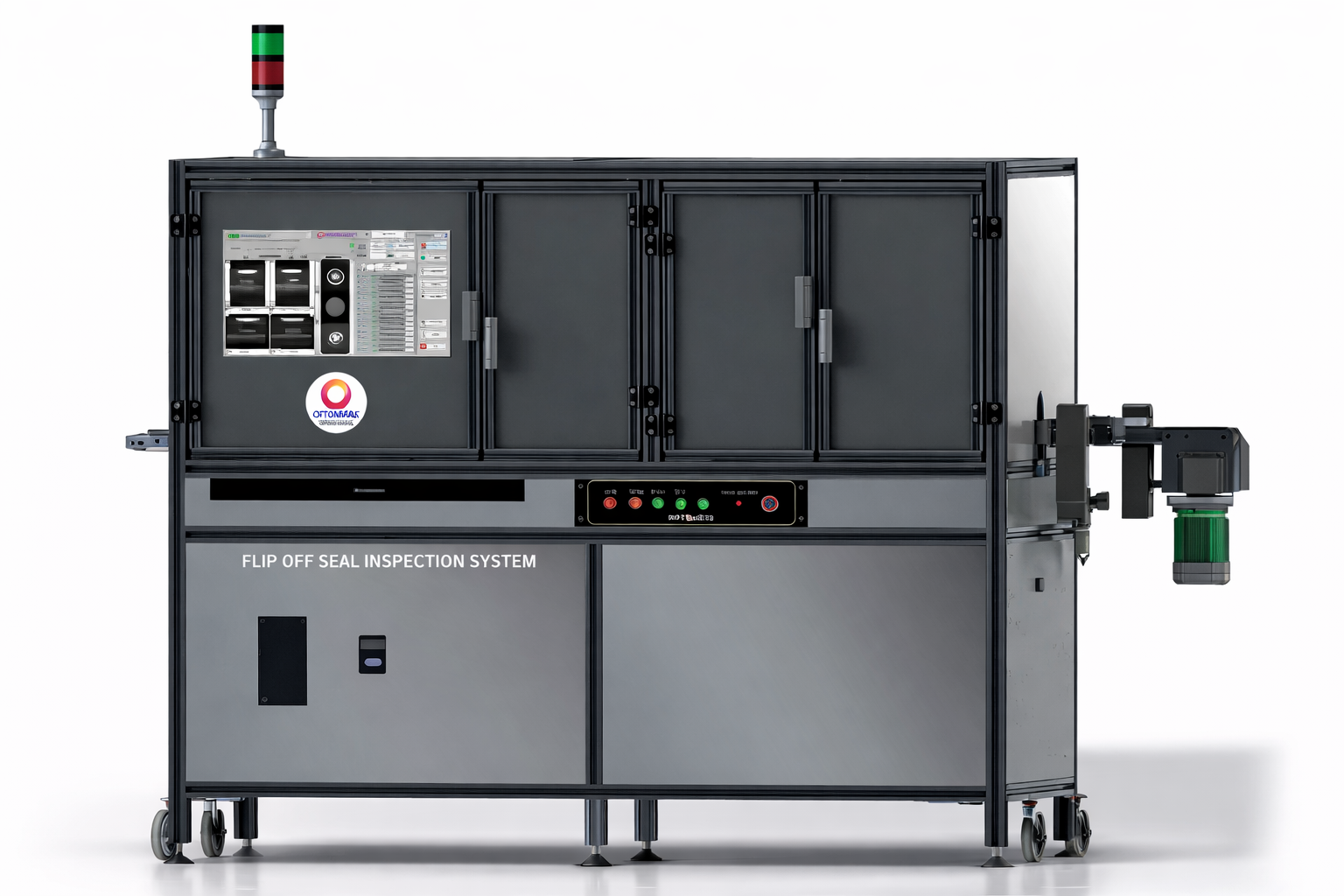
The Optomech FOSIS is a high-performance automated vision inspection system built for pharmaceutical manufacturers of injectable vials, infusion bottles, and parenteral containers. It ensures that every flip-off seal leaving the production line is defect-free — protecting seal integrity, tamper evidence, and patient safety.

Optomech FOSIS Flip-Off Seal Inspection System — full machine view
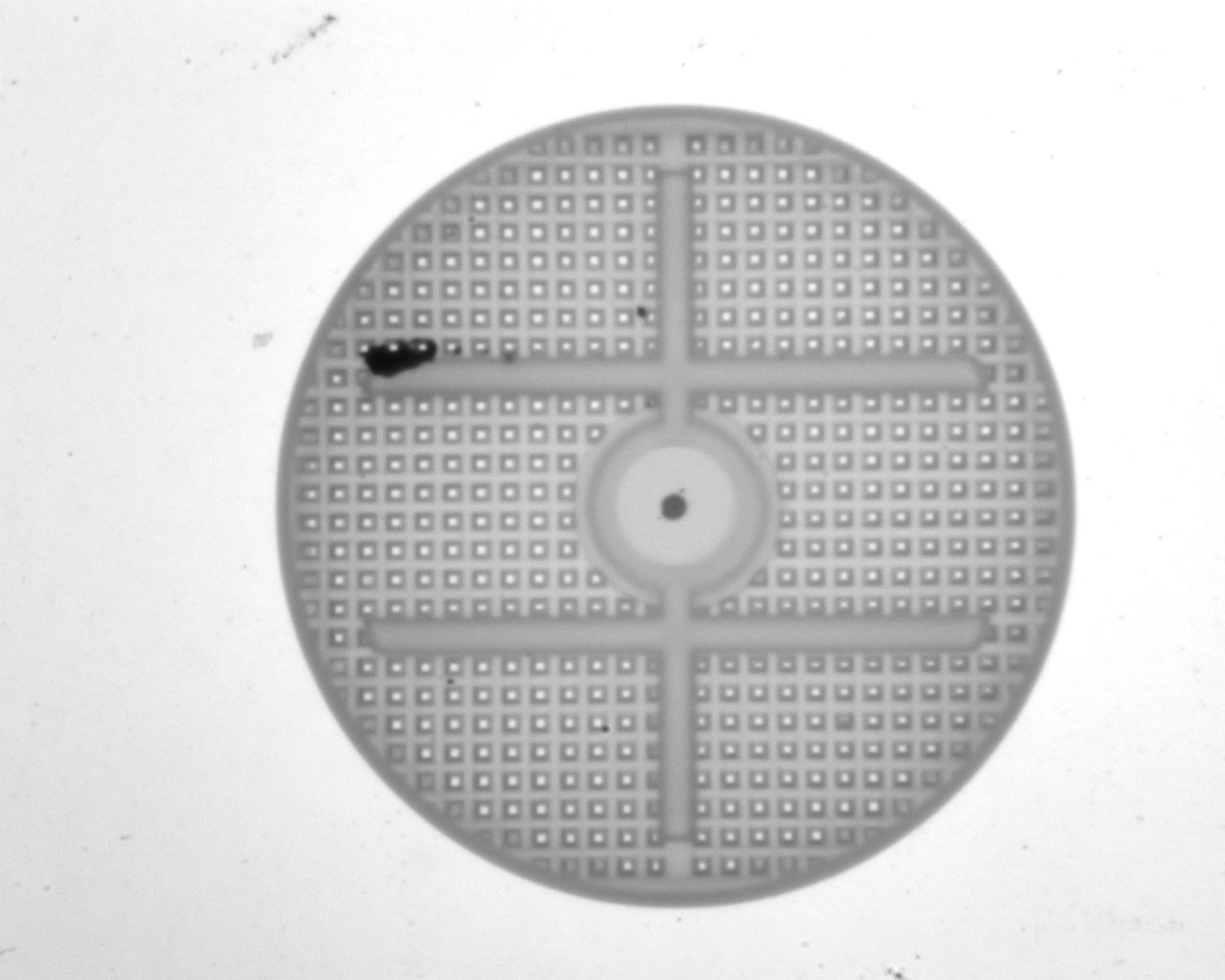
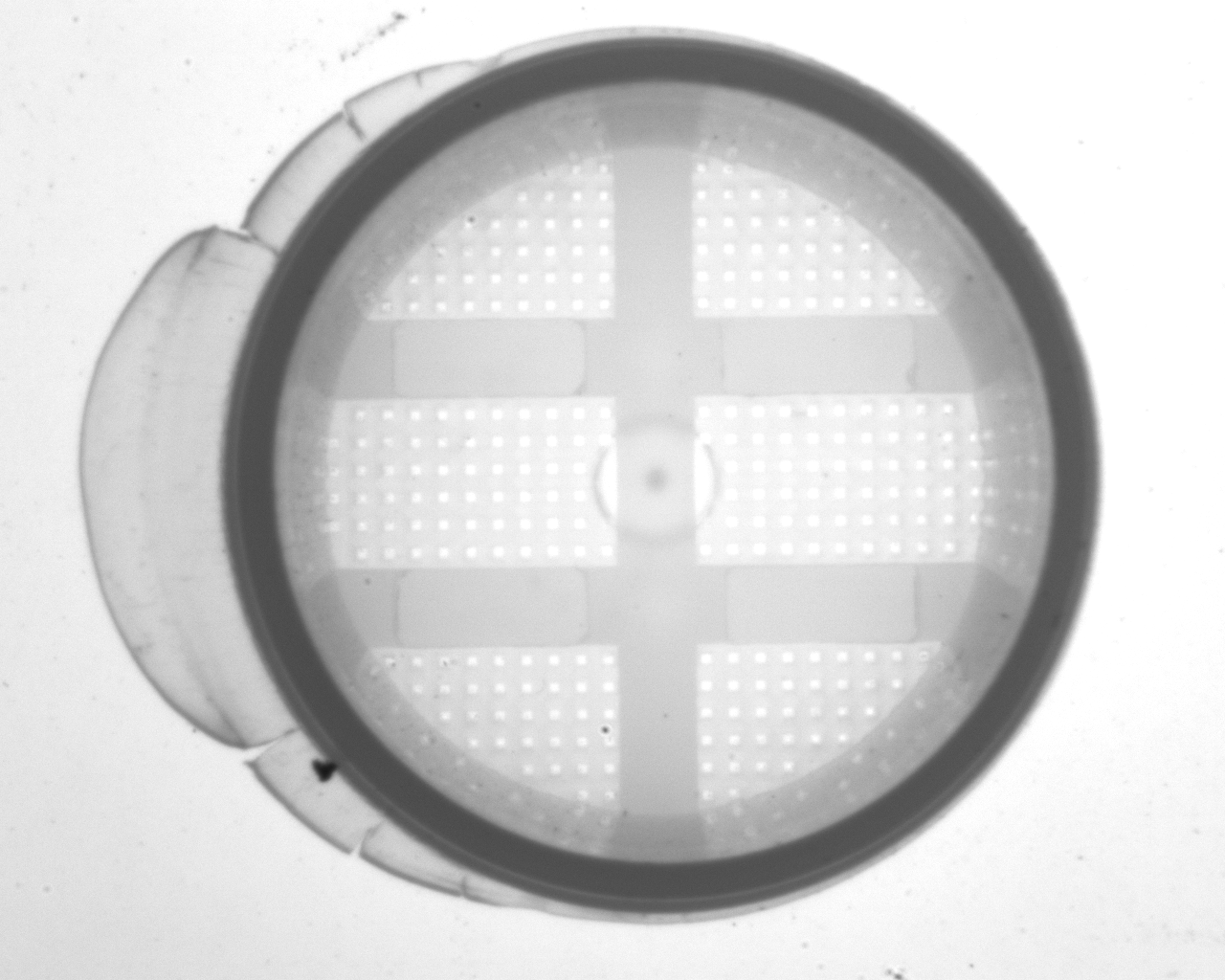
Flip-off seals on pharmaceutical vials — FOSIS inspection application Flip-off seal close-up showing aluminium shell and PP button

What is a Flip-Off Seal?

A flip-off seal is the composite closure used on pharmaceutical vials — combining an outer aluminium shell that is crimped onto the vial neck and an inner polypropylene (PP) button that flips off to expose the rubber stopper for injection. This dual-component design provides both mechanical protection and tamper-evidence. Defects in either the aluminium shell or the PP button are invisible at line speed and pose a direct risk to product sterility and patient safety.

How FOSIS Works

Seals are bulk-loaded into a vibratory SS 304 bowl feeder that automatically orients and conveys them, one by one, through the inspection station. High-resolution machine vision cameras with precision optics and customised LED illumination capture multiple views of every seal — top, side, and inside — in a single pass. Image processing algorithms analyse each view against defined tolerance limits. Defective seals are automatically sorted and rejected. The entire process runs continuously at up to 600 caps per minute.

Defects — Outer Aluminium Shell
  • Cuts on aluminium shell
  • Wrinkles on shell surface
  • Strain marks outside shell
  • Deformation / bends
  • Aluminium shell missing
  • Ring not separating from shell
  • Gap when mixed cap diameter comes
Defects — Inner Surface
  • Black marks
  • Dent marks
  • Dirt & dust
  • Improper crimped seals
  • Inter-mix of shell (wrong shell in batch)
Defects — PP Button
  • Horizontal & vertical flash
  • Short fill
  • Black spots
  • Colour shade variation
  • Cut on PP button
  • Plastic cap missing
600caps / min
✓ 21 CFR Part 11
✓ WHO-GMP

CANIS

Canister Inspection System — Silica Desiccant

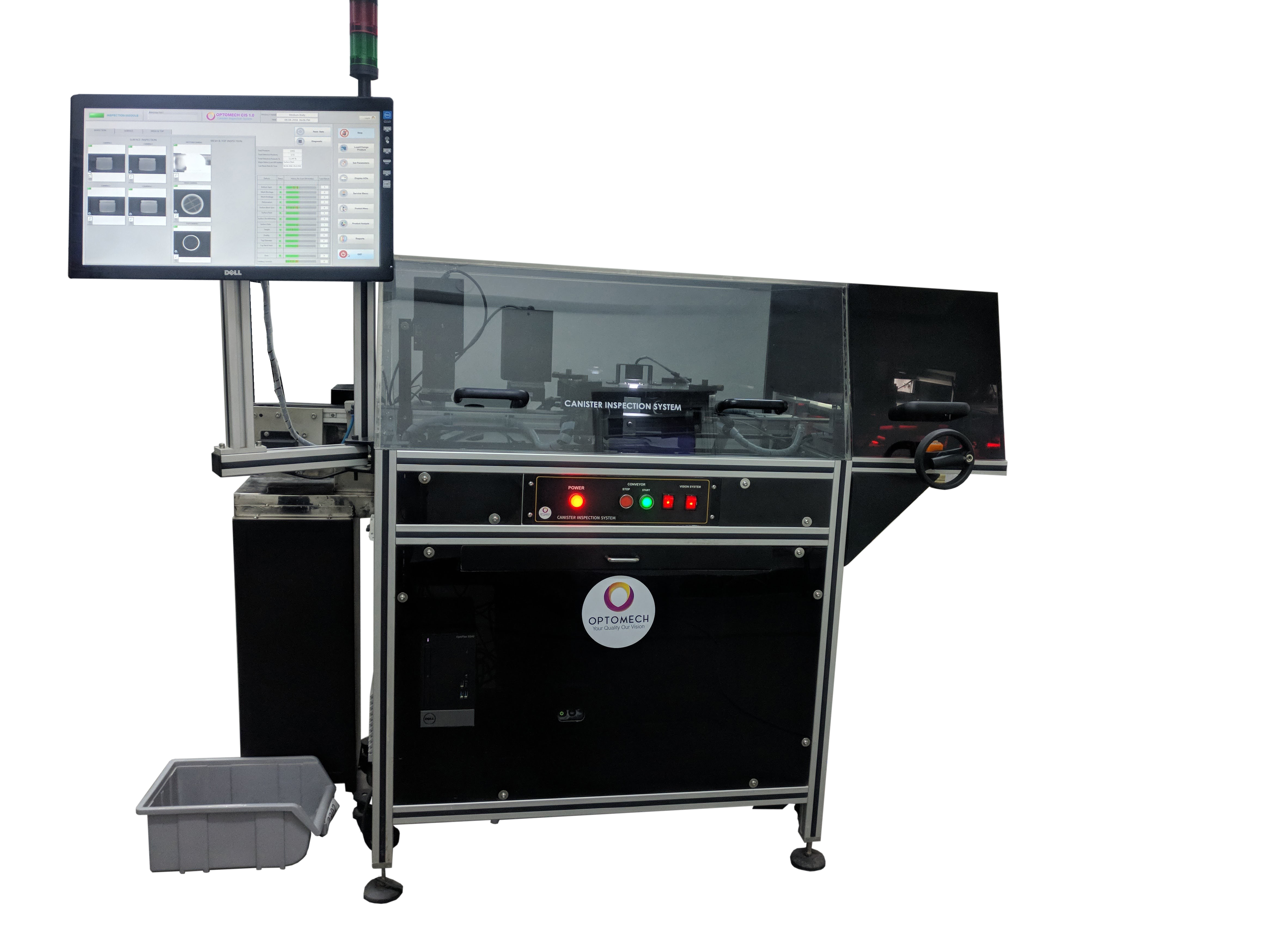
The Optomech CANIS is the first line of defence against silica bead contamination in oral solid dosage pharmaceutical products. It performs 100% automated inspection of silica desiccant canisters at 14,000 per hour — ensuring that no canister with a broken mesh, defective cap, or label error reaches your production line.

Optomech CANIS — Silica Desiccant Canister Inspection Machine
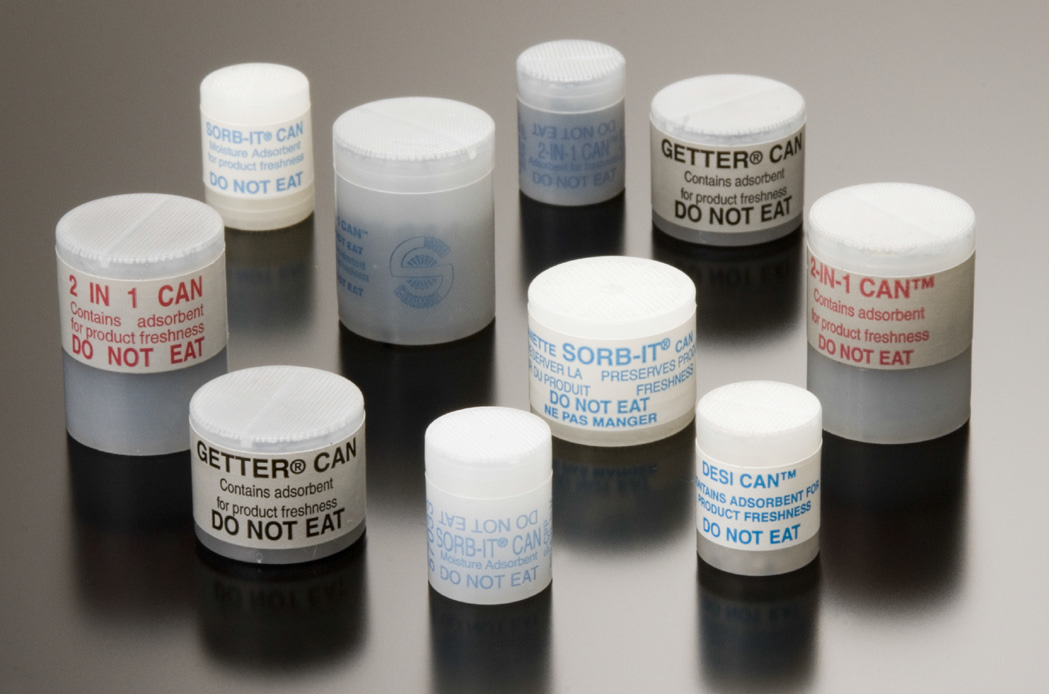
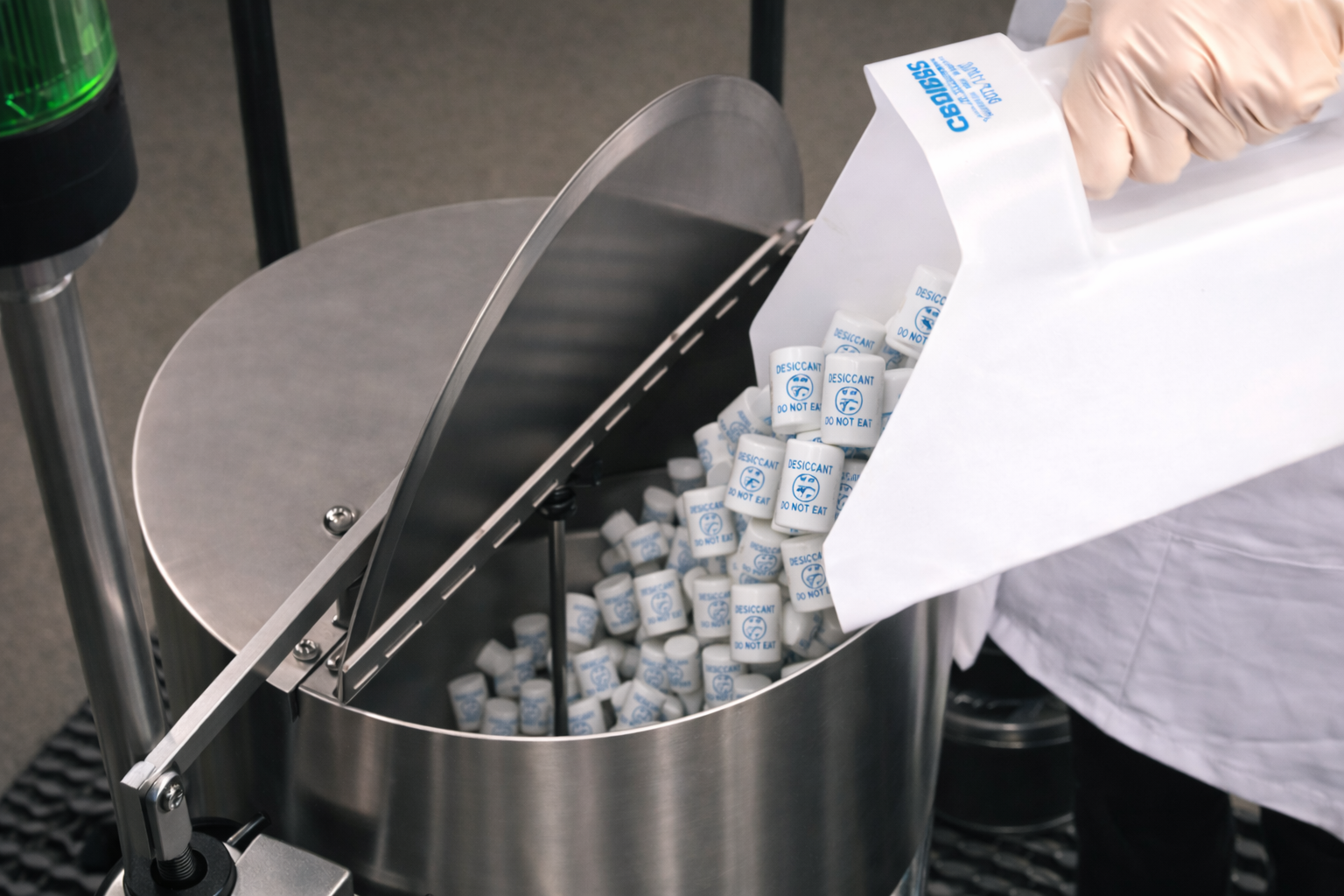
Silica desiccant canister — pharmaceutical oral solid dosage application Desiccant canister being placed into a pharmaceutical bottle

Why Desiccant Canister Inspection Matters

Silica desiccant canisters are placed inside pharmaceutical bottles to protect oral solid dosage forms — tablets and capsules — from moisture damage. The canister's porous plastic mesh is engineered to keep silica beads contained while allowing moisture diffusion. When that mesh breaks, silica beads escape directly into the drug product.

Silica bead contamination is a GMP-critical foreign body incident. It causes product recalls, triggers regulatory inspections, and poses a direct patient safety risk. Manual inspection of incoming canisters at production speeds is neither reliable nor feasible — the CANIS eliminates this risk entirely through 100% automated inspection.

Defects Detected by CANIS

Structural Defects
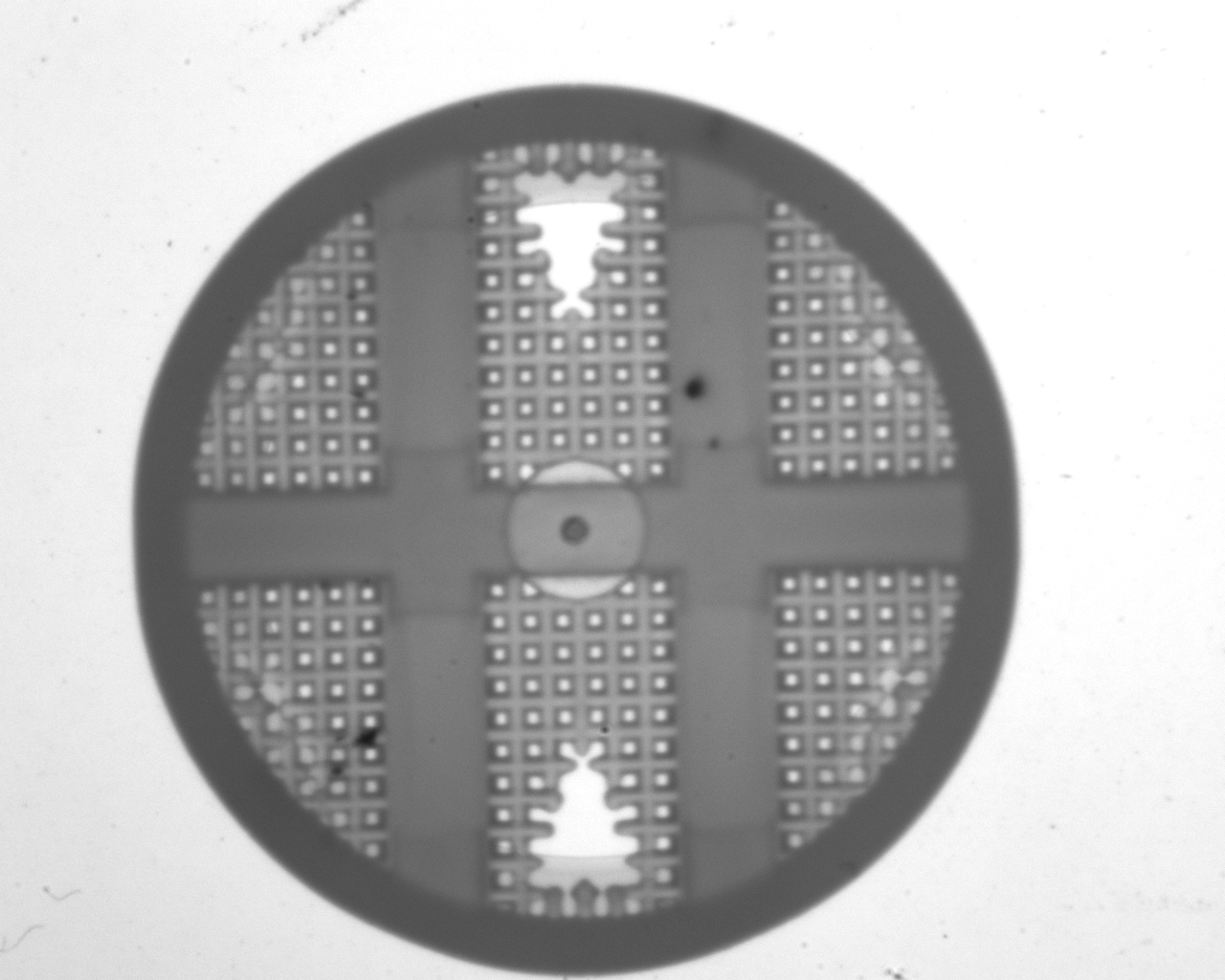
  • Mesh breakage ⚠️
  • Flashes / extra material
  • Short moulding
  • Ovality
  • Improper cap
  • Reverse cap
Label & Surface Defects
  • No label
  • Label width deviation
  • Label up & down shift
  • Label fold
  • Double label
  • Black spots
Mesh breakage defect in silica desiccant canister Mesh Breakage
Black spot defect on desiccant canister Black Spot
Flash defect on desiccant canister Flash
14,000canisters / hr
✓ Schedule M

PBIS

Polybag Inspection System

The Optomech PBIS is an AI-powered machine vision system that inspects 100% of pharmaceutical polybags — the large plastic bags used to pack bulk APIs, tablets, capsules, and powder intermediates in drums and containers — before they are filled. With 9 high-resolution cameras and deep-learning algorithms, it detects holes, seal defects, contamination, and cuts at up to 3,000 bags per hour.

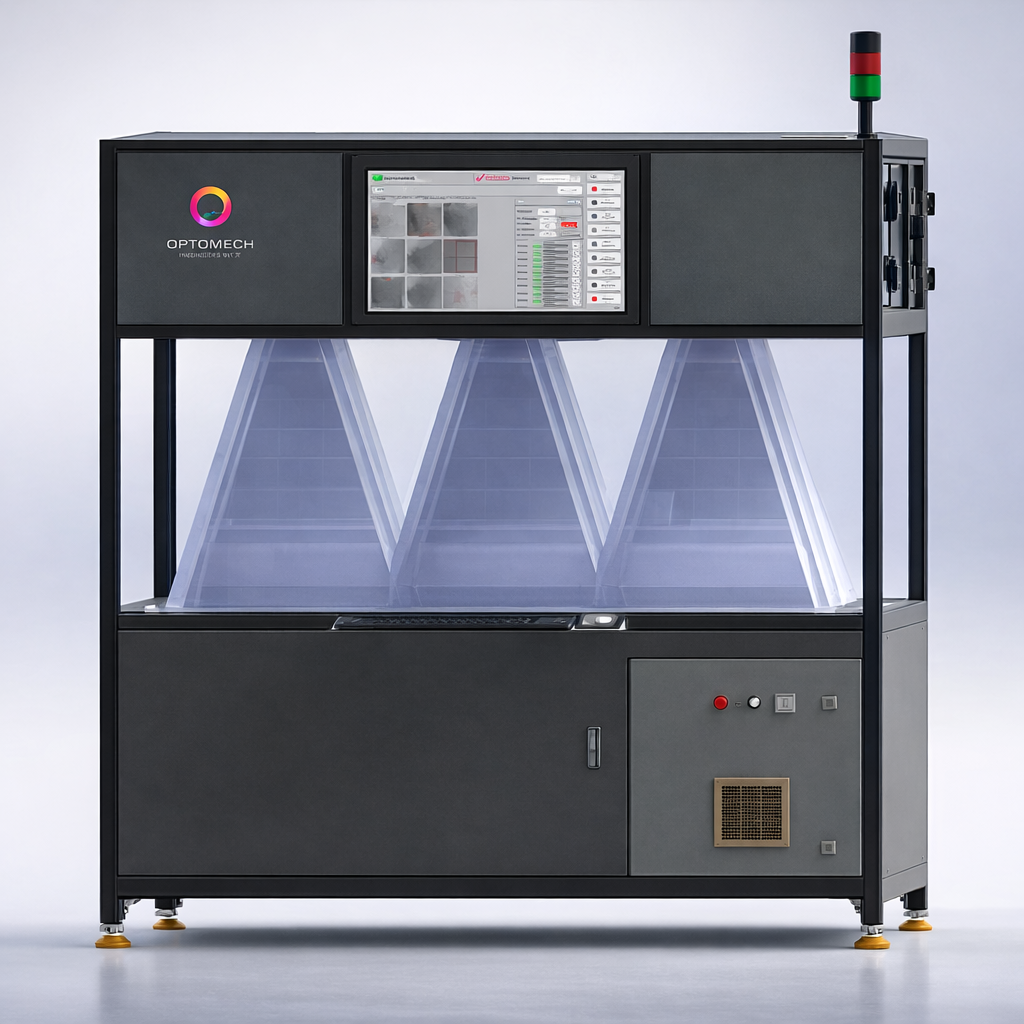
Optomech PBIS — Polybag Inspection System for pharmaceutical bulk drug packaging

What are Pharmaceutical Polybags?

Pharmaceutical polybags are multi-layer plastic bags made from LDPE, HDPE, or aluminium-foil laminates. They are used to pack bulk active pharmaceutical ingredients (APIs), finished tablets, capsules, and drug intermediates before they are stored in drums or containers for transport to the next manufacturing stage. The polybag is the primary moisture and contamination barrier for bulk drugs — a defect in the bag is a defect in the product.

Why Polybag Integrity is Non-Negotiable

Defects like holes, cuts, and seal spread in pharmaceutical polybags are frequently invisible to the human eye, especially under standard warehouse lighting. Yet their consequences are severe: moisture ingress over weeks of storage degrades APIs, reduces potency, and triggers stability test failures. Micro-holes that are missed during manual inspection show up as failed batches months later — after the product has already moved through the supply chain.

Defects Detected by PBIS

🕳️
Holes
Punctures & pinholes
📦
Seal Spread
Inadequate heat seal
🔬
Particles
Contamination
White Spots
>0.6 mm
Black Spots
>0.4 mm
✂️
Cuts
Slits & tears

The PBIS uses 9 high-resolution cameras positioned from above and AI deep-learning algorithms to detect defects down to sub-millimetre scale — providing inspection accuracy that is simply impossible to achieve with manual visual inspection.

3,000bags / hr
✓ 21 CFR Part 11
✓ AI-Powered
Shared Workflow

Same Proven Process Across All Three Systems

All three Optomech specialised inspection systems follow the same validated inspect-sort-report workflow — delivering 100% inspection, automatic rejection, and complete traceability in a single automated process.

1

Automatic Feeding

Components are bulk-loaded and automatically oriented and conveyed through the inspection station — no manual handling or loading required.

2

Multi-Camera Imaging

High-resolution cameras with precision optics and customised LED lighting capture every component from all required angles under controlled illumination.

3

AI Defect Detection

Proprietary software algorithms and AI-powered deep learning analyse every image in real time, comparing against defined tolerance limits and defect signatures.

4

Sort, Report & Trace

Defective components are pneumatically ejected and sorted. Results are stored in the database with defect images — generating full traceability and compliance-ready reports.

Built on Decades of Pharma Vision Expertise

Every Optomech specialised inspection system is built on the same core technology platform — refined through 40+ years of designing and deploying machine vision inspection systems for pharmaceutical and packaging manufacturers.

📷

Precision Machine Vision

High-resolution industrial cameras with machine vision lenses deliver sharp, high-contrast images of every component — defects as small as fractions of a millimetre are reliably captured and identified.

🤖

AI Deep-Learning Algorithms

The PBIS and FOSIS employ advanced AI and deep-learning classification. Systems learn from defect examples and continuously improve detection accuracy while minimising false rejections.

💡

Application-Specific Lighting

Each system uses customised LED illumination optimised for its specific component — backlight for polybag holes, ring light for seal defects, co-axial for mesh inspection — maximising contrast for each defect type.

🖥️

21" Operator Touchscreen

Large-screen touchscreen interface displays live images of every component passing through, with the last 100 defects shown graphically. Operators can identify and respond to production issues in real time.

⚙️

Pneumatic Auto-Ejection

Defective components are ejected from the product stream in milliseconds after detection — without stopping or slowing the production line. Ejection is verified by sensor for guaranteed sorting reliability.

🌐

Remote Access & Support

All systems include Ethernet connectivity for remote access by Optomech engineers — enabling rapid online diagnosis, parameter updates, and support without requiring an on-site visit.

Pharma Compliance

Engineered for Regulated Pharmaceutical Environments

Every Optomech specialised inspection system is designed and validated to meet the compliance requirements of pharmaceutical manufacturing — from electronic records and access control to audit trail documentation and traceability.

📋

21 CFR Part 11 Compliance

FOSIS and PBIS software is fully 21 CFR Part 11 compliant — providing electronic records, electronic signatures, complete audit trails, and data integrity assurance required by FDA-regulated pharmaceutical manufacturers.

🔒

3-Level Access Control

All systems implement three-level password-protected access control: User, Supervisor, and Administrator roles. Every parameter change and access event is logged — supporting GMP audit trail requirements.

📊

Schedule M & WHO-GMP Ready

Systems are configured and documented to support Indian Schedule M (Revised 2025), WHO-GMP Annex 2, and EU GMP requirements for inspection of packaging components — including desiccants, closures, and bulk packaging materials.

🗄️

Complete Traceability & Reporting

Inspection results are stored product-wise in a database with defect images. Reports exportable to Excel, auto-scheduled and sent over the network. Every batch inspection is fully traceable — available at any time for quality audits and regulatory inspections.

Critical Quality Assurance Across the Pharma Value Chain

💉

Injectable Pharmaceuticals

Manufacturers of injectable vials, infusion bottles, and parenteral products require 100% flip-off seal inspection to meet FDA, WHO-GMP, and Schedule M requirements. The FOSIS is purpose-built for this application.

FOSISGMP21 CFR
💊

Oral Solid Dosage (OSD)

Tablet and capsule manufacturers who use desiccant canisters in their bottles need 100% canister inspection. One broken mesh means silica bead contamination across an entire batch. The CANIS eliminates this risk.

CANISMesh BreakageBatch Safety
🔬

API & Bulk Drug Manufacturers

Active pharmaceutical ingredient manufacturers and bulk drug producers who pack in polybags before drumming need 100% polybag integrity verification. The PBIS prevents defective bags from ever being filled.

PBISBulk APIGDP
🧪

Desiccant Canister Manufacturers

Companies that manufacture and supply silica desiccant canisters to the pharmaceutical industry need inline 100% quality inspection to deliver defect-free products to their pharma customers.

CANISManufacturer QC
🛡️

Flip-Off Seal Manufacturers

Manufacturers and suppliers of pharmaceutical flip-off seals use the FOSIS to inspect 100% of outgoing product — ensuring that every seal reaching pharmaceutical customers is defect-free and compliant.

FOSISSeal Manufacturing
📦

FMCG & Industrial Packaging

The PBIS polybag inspection system is also used in FMCG, agrochemical, and industrial packaging where polybag integrity directly affects product quality, consumer safety, and brand reputation.

PBISFMCGIndustrial

The Partner Who Understands Pharma Packaging Inspection

🏗️

Made in India — Serving Pharma Since 1981

Optomech has been designing and manufacturing pharmaceutical vision inspection equipment in Hyderabad since 1981. FOSIS, CANIS, and PBIS are all designed, built, and validated at our Kukatpally facility — with full local support.

🎯

Niche Problems, Expert Solutions

FOSIS, CANIS, and PBIS are not adapted from generic systems — they are purpose-engineered for their specific application. Every camera configuration, lighting scheme, and algorithm is designed specifically for that component and its defect profile.

⚙️

Application-Specific Validation

Each system is installed, commissioned, and fine-tuned to your specific product specifications — cap sizes, canister types, polybag dimensions, and defect acceptance criteria. We validate performance to your quality benchmarks, not a generic standard.

🎓

Onsite Installation & Training

Our engineers install, commission, and train your quality team on-site. We do not hand over the system until it is running at specification and every operator is confident and competent in its use.

📞

Dedicated Service Support

Direct service contact (Chinthaya · +91-9032364140) for rapid issue response. Remote access capability for fast online diagnosis and support. On-site service available across India.

🏆

Trusted by India's Leading Pharma Companies

Hetero, Strides Shasun, GelCaps, Pravesha, Gopaldas Visram, Shally Engineering, SSF Plastics, ALPLA — companies that cannot afford quality failures rely on Optomech specialised inspection systems.

Trusted by India's Leading Pharmaceutical & Packaging Companies

HETERO
STRIDES SHASUN
GELCAPS
PRAVESHA
GOPALDAS VISRAM
SHALLY ENGINEERING
SSF PLASTICS
CREATIVE
ALPLA
FAQ

Frequently Asked Questions

Everything you need to know about the Optomech FOSIS, CANIS, and PBIS Specialised Inspection Systems.

A flip-off seal inspection system is an automated machine vision system that inspects 100% of pharmaceutical flip-off seals — the aluminium-and-PP closures used on injectable vials, infusion bottles, and parenteral containers. The FOSIS automatically feeds seals via a vibratory bowl feeder, captures images of the outer shell, inner surface, and PP button, and pneumatically sorts defective seals at up to 600 caps per minute. It is needed because defects in flip-off seals — including shell deformation, missing PP buttons, improper crimping, and contamination — are invisible at line speed and pose a direct risk to product sterility, tamper evidence, and patient safety.

The FOSIS detects 18+ defect types across three zones: (1) Outer aluminium shell — cuts, wrinkles, strain marks, deformation/bends, missing aluminium shell, ring not separating, gap between caps. (2) Inner surface — black marks, dent marks, dirt and dust, improper crimped seals, inter-mix of shell. (3) PP button — horizontal and vertical flash, short fill, black spots, colour shade variation, cut on PP button, and missing plastic cap.

The CANIS inspects 100% of silica desiccant canisters placed inside pharmaceutical bottles to protect oral solid dosage products from moisture. Mesh breakage is the most critical defect: broken mesh allows silica beads to escape into the drug product, creating a foreign body contamination event. This is a direct GMP violation that triggers product recalls, regulatory inspections, and patient safety incidents. The CANIS detects mesh breakage, structural defects (flash, short moulding, ovality, improper cap), and label defects at 14,000 canisters per hour — making 100% inspection feasible on high-speed pharma lines.

The PBIS (Polybag Inspection System) uses AI-powered deep learning and 9 high-resolution cameras to inspect 100% of pharmaceutical polybags — the LDPE/HDPE bags used to pack bulk APIs, tablets, and drug intermediates before drumming. Defects like holes, cuts, and seal spread allow moisture ingress, causing drug degradation and batch failures that often only emerge during stability testing months later. The PBIS inspects bags at 3,000 per hour and detects holes, seal spread, particles, white spots (>0.6mm), black spots (>0.4mm), and cuts before any bag is filled — preventing defective packaging from entering the supply chain.

Yes. FOSIS and PBIS software is fully 21 CFR Part 11 compliant, providing electronic records, complete audit trails, multi-level password access control, and tamper-evident data storage. All three systems implement 3-level access control (User, Supervisor, Administrator) and generate comprehensive shift-wise inspection reports for regulatory audits. These features make the systems suitable for use in FDA-regulated, WHO-GMP, and Schedule M pharmaceutical manufacturing environments.

The FOSIS inspects at up to 600 caps per minute for 13mm seals. The system handles five standard pharmaceutical seal sizes: 13mm, 20mm, 28mm, 32mm, and 34mm. Seals are automatically bulk-loaded and oriented via a vibratory SS 304 bowl feeder — enabling continuous high-speed operation without manual loading. Product changeover is fast: simply select the required seal size from the touchscreen library to reload stored inspection parameters.

The CANIS detects 11 defect types: mesh breakage (critical — causes silica contamination), black spots, flashes and extra material, ovality, short moulding, no label, label width deviation, label up-and-down placement error, label fold, reverse cap, improper cap, and double label. At 14,000 canisters per hour, it provides 100% coverage of all incoming canisters.

Optomech FOSIS, CANIS, and PBIS systems are deployed at leading Indian and multinational pharmaceutical manufacturers and packaging suppliers including Hetero, Strides Shasun, GelCaps, Pravesha, Gopaldas Visram, Shally Engineering Plastics, SSF Plastics, Creative, and ALPLA. These companies use Optomech specialised inspection systems to meet GMP requirements, prevent costly recalls, and deliver zero-defect pharmaceutical packaging components to their customers.

All three systems generate: real-time display of the last 100 defects with images; product-wise database storage for full traceability; Excel-exportable shift reports with defect counts by type; auto-scheduled reports over the network; defect image archives for quality audits; and 3-level password access control with audit trail logging. The FOSIS and PBIS additionally provide 21 CFR Part 11 compliant electronic records and signatures, supporting FDA regulatory audits.

Manual inspection of flip-off seals, desiccant canisters, and polybags at production speeds is statistically unreliable — inspectors miss defects due to fatigue, inconsistent lighting, and the sheer volume of components. Relying on supplier QC means trusting that your supplier has rejected all defective components — but a single batch with defective canisters or seals can contaminate your product and trigger a market recall costing far more than the inspection system. Automated 100% inspection is the only approach that provides proof of inspection, an audit trail for regulatory compliance, and genuine zero-escape assurance for every component in every batch.

Complete Your Vision Inspection Line

Solve the Inspection Problems
Others Don't Address

If you inspect flip-off seals, silica desiccant canisters, or pharmaceutical polybags manually — you have an unresolved quality risk. Optomech FOSIS, CANIS, and PBIS close that gap with 100% automated inspection, every shift.

Request a Demo Talk to Our Team
📞 Chinthaya: +91-9032364140