CANIS — Silica Desiccant Canister Inspection System
14,000
Canisters/Hour
11
Defect Types
Schedule M
Compliant
100%
Inspection
Critical
Mesh Breakage
Why Silica Desiccant Canister Inspection Matters
Silica Contamination Risk
When desiccant canister mesh breaks, silica beads escape into pharmaceutical bottles, contaminating the drug product and rendering entire batches unusable.
GMP Critical Event
Mesh breakage is classified as a GMP critical defect. Detection failures lead to non-compliance, regulatory action, and costly product recalls.
Batch Recalls & Liability
A single undetected defect can trigger product recalls affecting thousands of units, damaging brand reputation and incurring massive financial penalties.
What are Silica Desiccant Canisters?
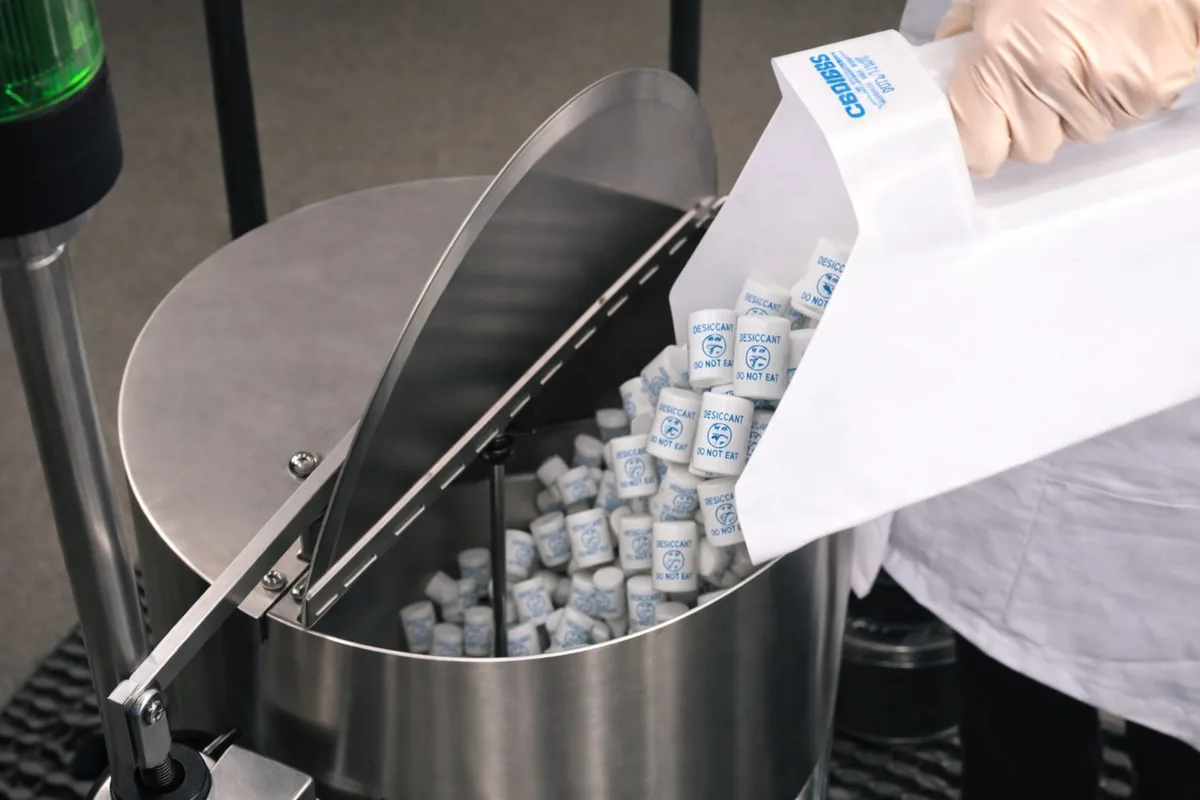
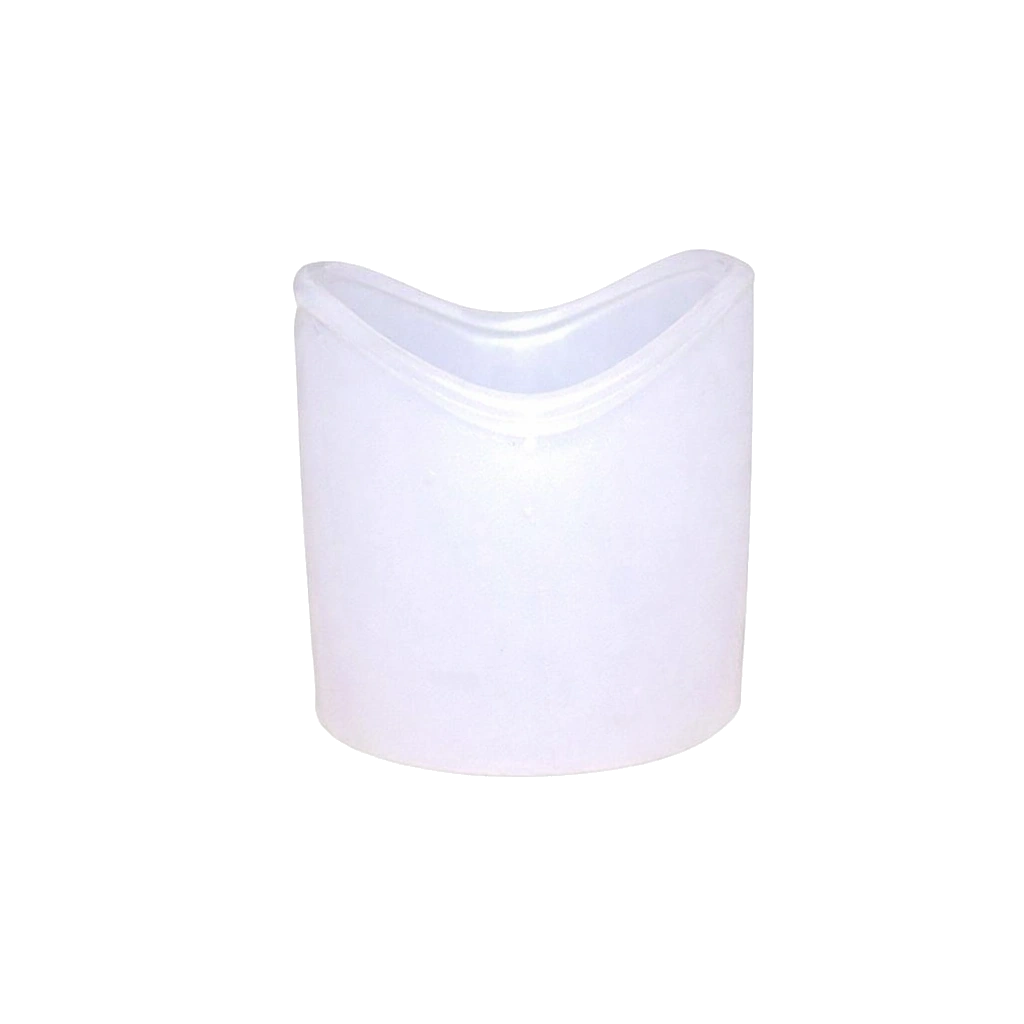
Silica desiccant canisters are small containers filled with silica beads placed inside pharmaceutical bottles to absorb moisture. They are essential for oral solid dosage forms (tablets and capsules) to maintain product stability and shelf life. The canister has a protective mesh that keeps the silica beads contained while allowing moisture vapor to pass through.
Why Mesh Breakage is the Most Critical Defect
When the mesh breaks, silica beads contaminate the drug product—a GMP critical event. This triggers immediate batch quarantine, regulatory reporting, product recalls, and potential supply chain disruption. CANIS detects mesh breakage before canisters reach your production line.
How CANIS Works
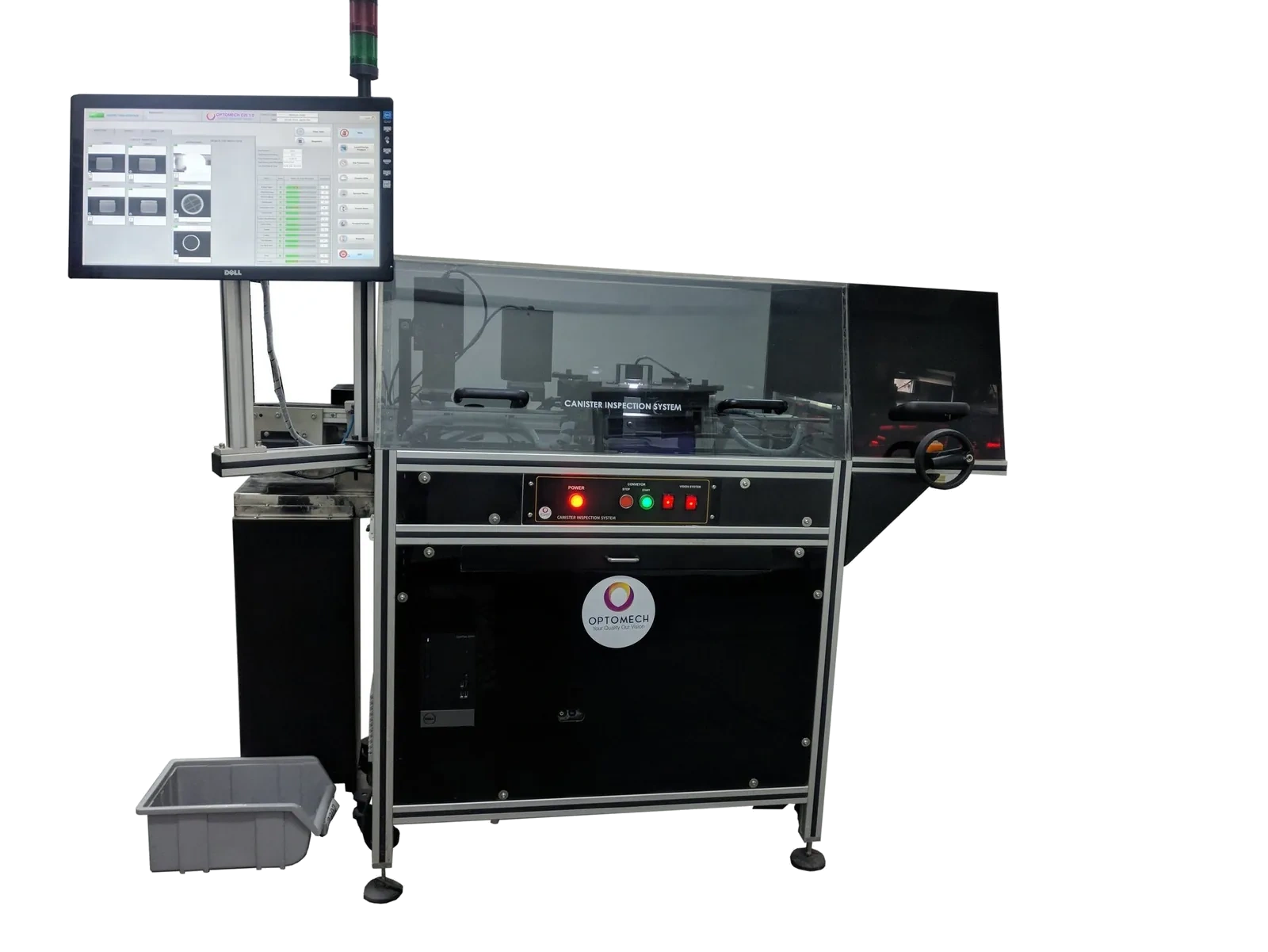
CANIS uses multi-camera AI vision inspection to examine each canister at 14,000/hour. High-resolution imaging captures structural details, mesh integrity, dimensions, and surface defects. AI algorithms instantly classify each canister as pass or reject, with defect images stored for full traceability.
14,000 Canisters/HourSchedule M CompliantWHO-GMP Annex 2
11 Defect Types Across 2 Categories
Category 1: Structural & Moulding Defects
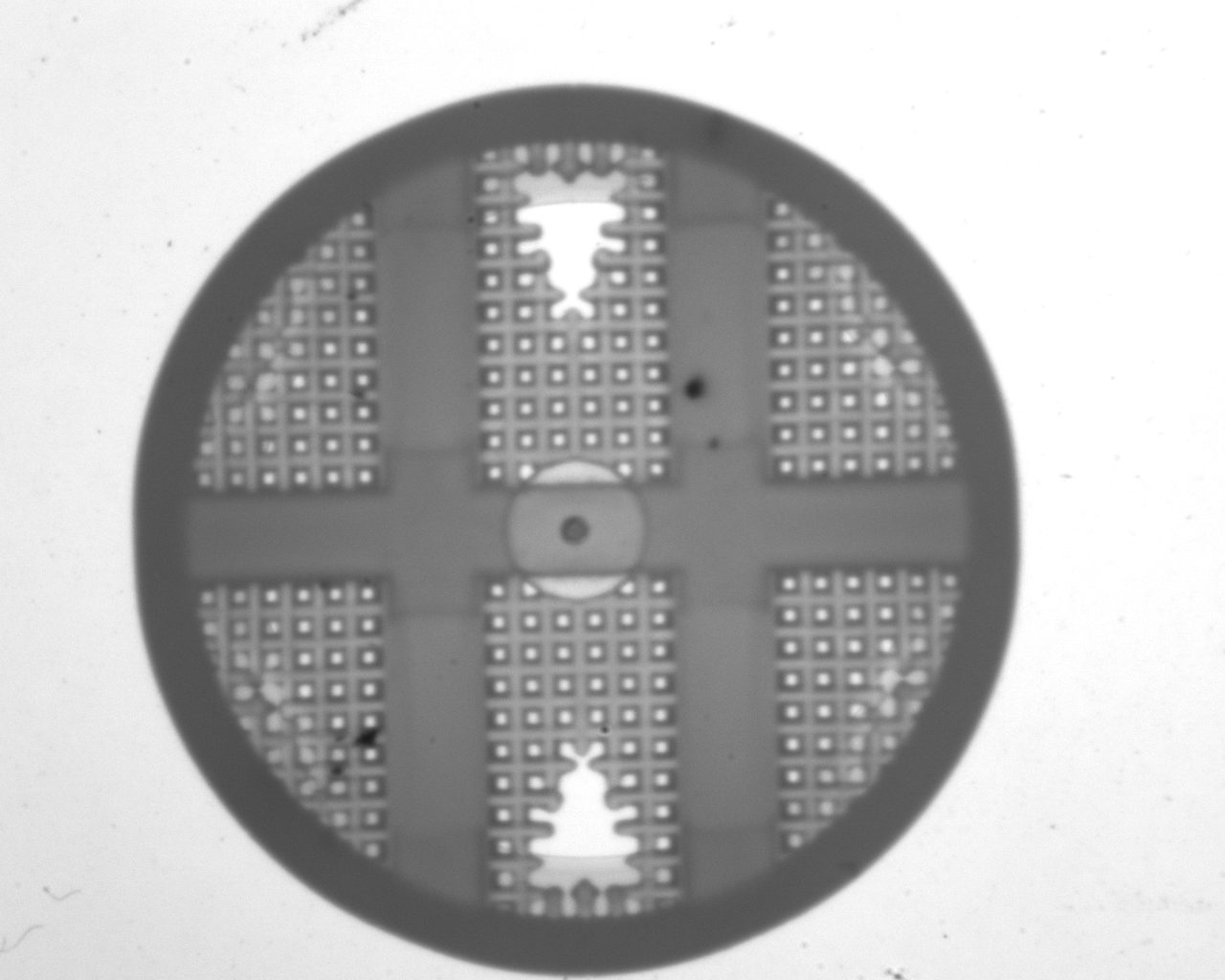
Mesh Breakage / Broken Mesh (Most Critical)
Flashes / Extra Material
Short Moulding
Incomplete Blowing
Blocked Holes
Category 2: Dimensional & Surface Defects
Diameter Variation
Ovality
Height Variation
Shape Variation
Surface Contamination
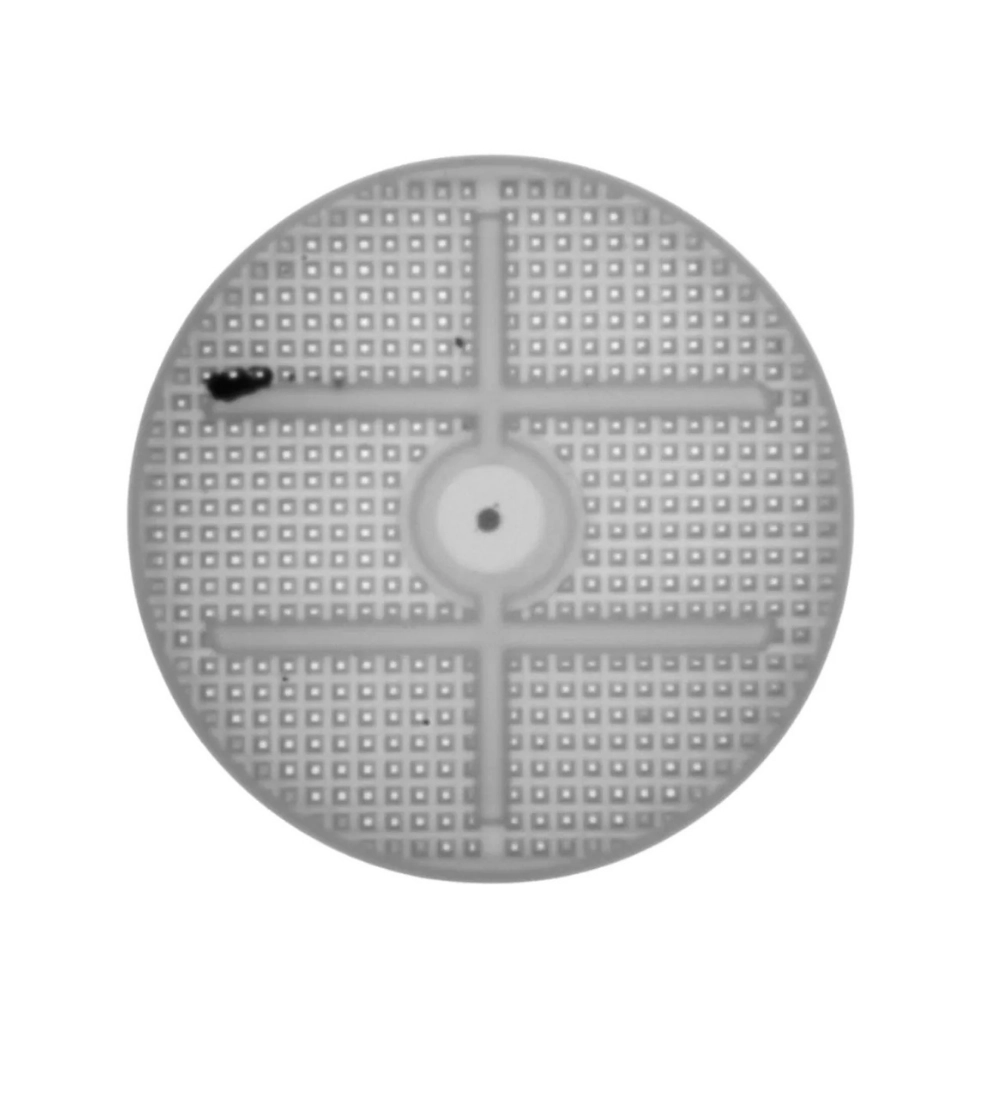
Black Spots
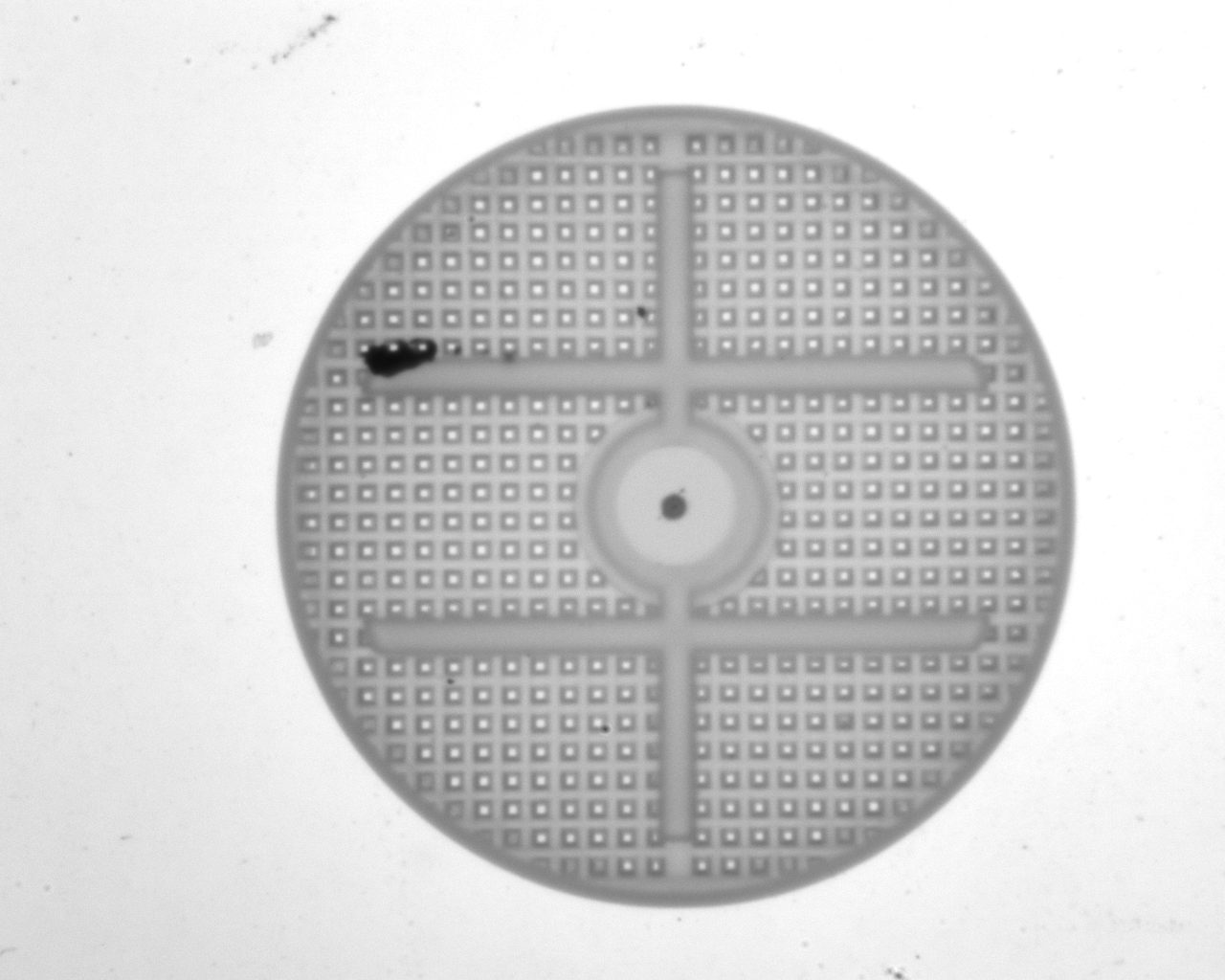
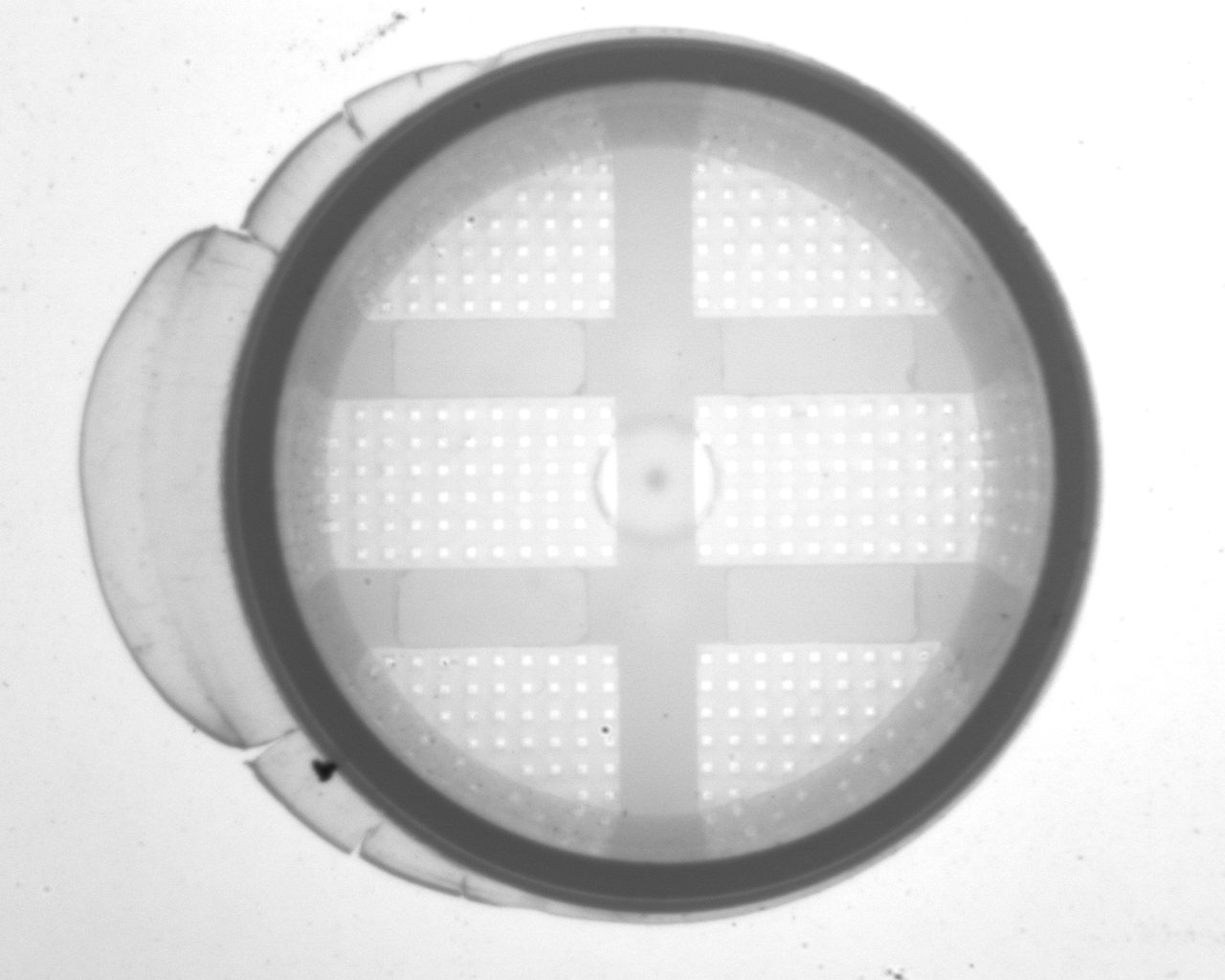
Defect Detection Examples
Critical: Mesh Breakage
Black Spot
Flash / Extra Material
Short Moulding
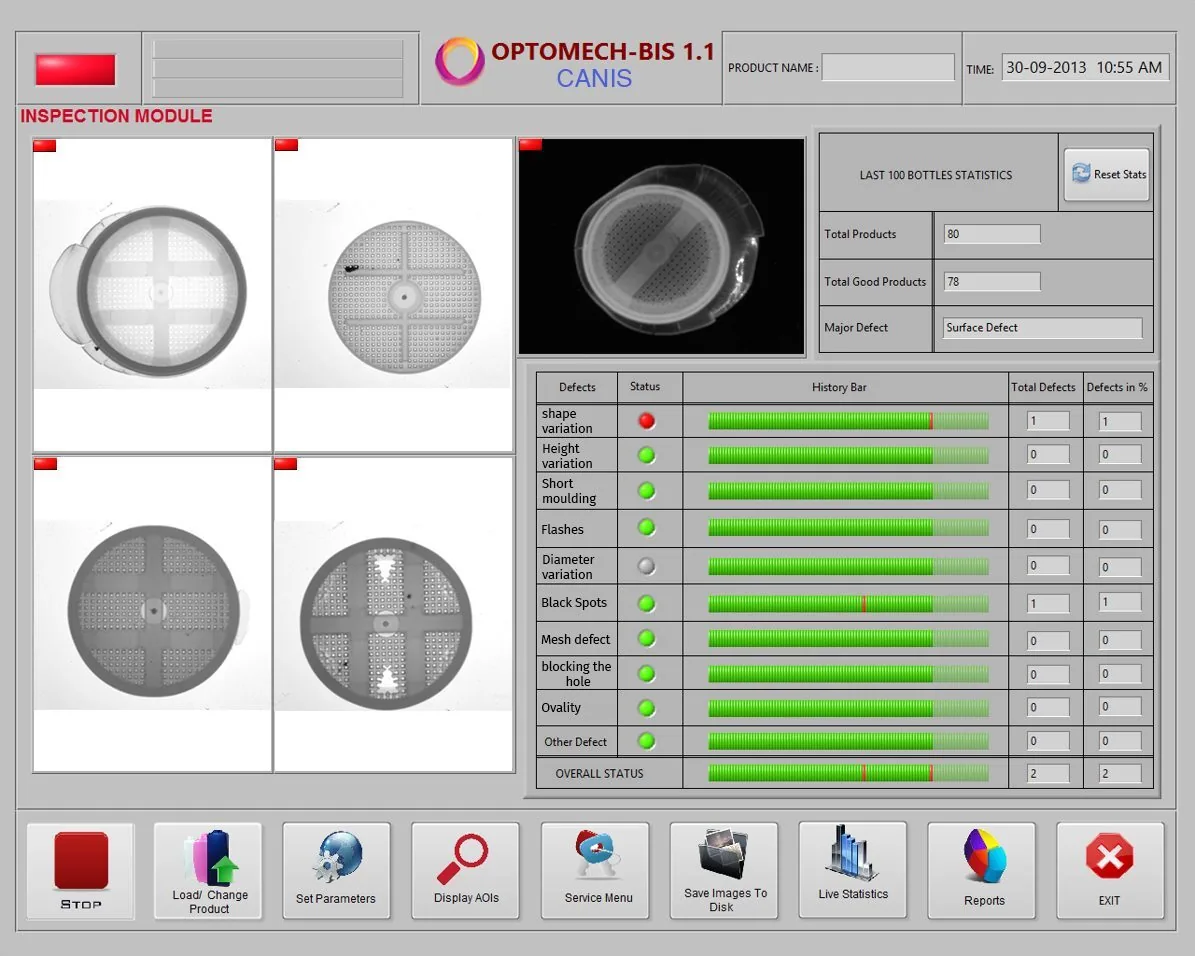
Intelligent Inspection Software
Live
Download CANIS Brochure
Get comprehensive technical specifications, performance data, and compliance certifications.
CANIS is an AI-powered vision inspection system that detects defects in silica desiccant canisters used in pharmaceutical bottles. It inspects 14,000 canisters per hour and detects 11 types of defects including the critical mesh breakage, ensuring 100% GMP compliance.
What is mesh breakage and why is it critical?+
Mesh breakage occurs when the protective mesh layer of the desiccant canister breaks, allowing silica beads to escape and contaminate the drug product. This is a GMP critical defect that triggers immediate batch quarantine, recalls, and regulatory action.
What defects does CANIS detect?+
CANIS detects 11 types of defects across 2 categories: Structural & Moulding Defects (mesh breakage / broken mesh, flashes / extra material, short moulding, incomplete blowing, blocked holes) and Dimensional & Surface Defects (diameter variation, ovality, height variation, shape variation, surface contamination, black spots).
What is the inspection speed of CANIS?+
CANIS inspects 14,000 canisters per hour with 100% inspection coverage and >99.8% defect detection accuracy, enabling high-speed pharmaceutical production lines without bottlenecks.
Is CANIS compliant with pharmaceutical regulations?+
Yes, CANIS is fully compliant with Schedule M (Revised 2025), WHO-GMP Annex 2, and ISO standards. It maintains complete audit trails, batch traceability, and defect documentation required for regulatory compliance.
What types of canisters does CANIS inspect?+
CANIS inspects silica desiccant canisters of various sizes, shapes, and materials used in pharmaceutical oral solid dosage forms (tablets and capsules). The system is configurable for different canister geometries.
Can CANIS provide defect traceability?+
Yes, CANIS provides complete traceability with batch-to-canister mapping, serial numbers, timestamps, defect images, operator IDs, and digital reports. All data is stored for regulatory audits and GMP compliance documentation.
What industries use CANIS?+
CANIS is used by oral solid dosage pharma manufacturers, desiccant canister manufacturers, API & bulk drug producers, and injectable pharmaceutical companies. It's trusted by leading manufacturers globally.
How does CANIS differ from manual inspection?+
CANIS provides consistent 24/7 inspection at 14,000 canisters/hour without fatigue. It detects microscopic defects that human inspectors miss, ensures zero bias, and produces complete audit trails for compliance documentation.
What is the typical ROI for CANIS?+
Payback depends on your line. The returns typically come from reduced recall costs, prevention of batch losses, less manual inspection labour and higher throughput at speed — how quickly those add up depends on your volumes, labour cost and defect history. Use our ROI calculator to estimate payback with your own numbers.
Related Vision Products
FOSIS — Flip-Off Seal
Flip-off seal inspection for pharmaceutical vials, caps, and closures with defect detection at high speeds.
Starting-from price band for a base configuration · ex-works (Hyderabad) · GST extra. Your exact price depends on configuration — share your requirement for a configured quote.